Elevator Maintenance Checklist: What Building Owners Should Know
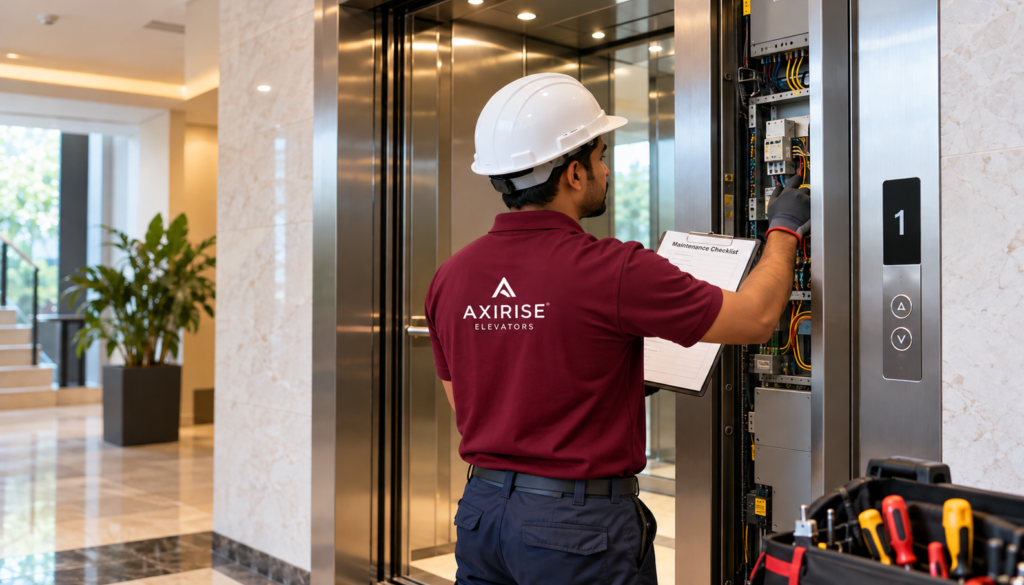
An elevator maintenance checklist helps the building owner ensure the elevator’s safety, reliability, and comfort in daily use. Regular check–ups of the elevator save one from unexpected breakdowns and allow for long-term maintenance of the elevator. It is important to know the basic elevator maintenance requirements no matter if you are managing a commercial building, apartment complex, or a private residence. In this article, you will learn about key checks that every owner should be aware of.
Why Is Regular Elevator Maintenance Important?
Due to being used regularly, elevators require inspections and maintenance to guarantee that they continue to be operational. Inadequate servicing leads to unanticipated downtime, inconvenience for passengers, and security concerns.
Scheduled maintenance allows the owners of the buildings to keep track of the condition of machinery, discover problems that are developing, and schedule maintenance activities despite of their severity. Maintenance should always be done by skilled people in accordance with the instructions provided by the producer and safety regulations.
Elevator Maintenance Checklist: Key Things to Check
1. Check Elevator Doors
The elevator doors must open and shut perfectly without any unusual sounds, jolting, or recurring halting. The sensors and safety elements of the doors should work properly to avoid accidents. If you see doors that cannot open properly, close unexpectedly, or do not respond in a proper manner, let it be known. Do not try to fix the door mechanisms on your own.
2. Inspect Buttons and Control Panels
Make sure that buttons responsible for choosing the floor, buttons that call the elevator, and indicators are working correctly. If there are buttons that do not respond, floor displays show different results, or there is some strange error message, you need to inform your contractor responsible for elevator maintenance.
3. Monitor Unusual Sounds and Vibrations
Be alert for any unusual mechanical or electrical problems indicated by grinding sounds, excessive vibrations, sudden jerky movements, or odd behavior of equipment during operation.
4. Verify Emergency Systems
According to the requirements and standards of the manufacturers, emergency alarm systems, communication systems, emergency lighting, and other safety features that have been installed must be inspected.
The building owner must have the procedures for emergency communication established in the building and known to employees.
5. Keep the Elevator and Surrounding Area Clean
Make sure that all elevator compartments, landing places as well as means of access, are clean and accessible. Protect against water, dirt, and other rubbish from reaching fragile and vulnerable areas of equipment. Cleaning and entering places with restricted machinery and electrical equipment should only be performed by qualified technicians.
6. Review Maintenance Records
Document inspection, servicing dates, repairs, malfunctions, and parts replaced. Such documentation will enable building managers to control problems that are recurring and keep track of scheduled maintenance.
Home Elevator Maintenance: What Homeowners Should Know
Elevator maintenance is paramount even if a home elevator serves just a few floors. Though home lifts are less utilized than commercial elevators, they require routine servicing by professionals.
Homeowners should stick to the manufacturer’s recommended schedule for servicing, ensure that the elevator access is free of obstacles, and report any weird sounds or problems in functioning. Avoid overloading the elevator, and in case of an emergency, household members must be aware of the necessary emergency procedures.
How Often Should an Elevator Be Serviced?
The frequency of servicing is determined by the kind of lift, the way the lift is used, as well as the conditions of the site and other factors.
Now, building owners need to come up with an individualized service program in consultation with an experienced service company.
When Should You Contact Elevator Maintenance Services?
If you notice elevators acting up, such as breaking down again and again, making odd sounds, the doors not working properly, conflicting level indicators, or some other alterations in the functioning of the elevator, it is necessary to call the elevator maintenance company as soon as possible. If your elevator does not look safe anymore, stop using it and call the service.
Do not ever attempt to help people who are stuck in the elevator by opening the doors of the car. Use the emergency communication device to call for professional assistance.
Conclusion
By employing the Elevator Maintenance Checklist, owners of facilities can get organized, spot possible warning signs, and facilitate safer and more reliable service. Frequent servicing, keeping a good maintenance log, and timely reporting of problems are the three key components of responsible elevator management.
If you need professional elevator solutions and service, go to Axirise Elevators to know more about what this company has to offer. To know more, visit the website