Home Lift for Elderly Family Members: Features Worth Planning For
Most of us don’t notice stairs until someone we love starts to struggle with them. Sore knees, shaky balance, or just plain tiredness can turn a simple trip upstairs into something they dread. Installing a home lift for elderly parents or grandparents can give them back their independence and make everyday life far more comfortable.
But picking a lift isn’t only about how it looks or what it costs. What matters is how safe, easy, and comfortable it is to use year after year. Here’s what to look at before you decide.
1. Easy Entry and Exit
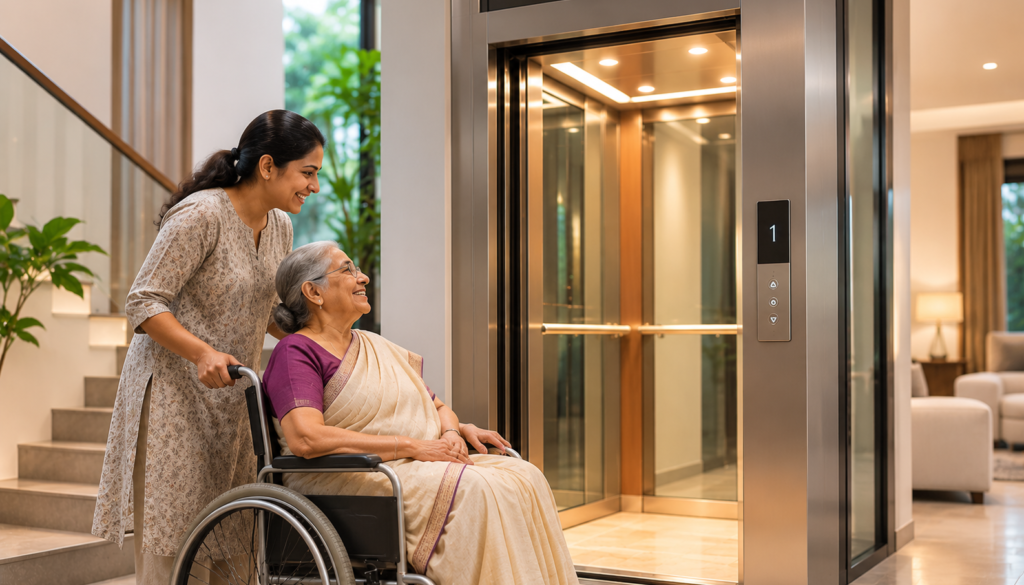
Getting in and out should take no effort at all. A good home lift for elderly users lets them step in and out without a struggle, especially if they rely on a walking stick or walker.
Look for:
- Wide doors that are comfortable to pass through
- Accurate floor levelling, so there’s no awkward step
- Very small gaps between the lift floor and the landing
- Automatic doors, if they suit your home
2. Controls That Are Simple to Use
Not everyone is comfortable with modern gadgets, and a confusing control panel can make someone avoid the lift altogether. Choose clearly labelled buttons, a panel that’s easy to reach, and floor indicators that are easy to see. Large buttons with strong contrast help a lot, too.
The aim is simple: anyone in the family should be able to use it without thinking twice.
3. Safety Comes First
A residential lift should have proper safety systems for everyday use and for the rare unexpected moment. When you’re choosing a home lift for elderly passengers, look for:
- An emergency alarm or communication system
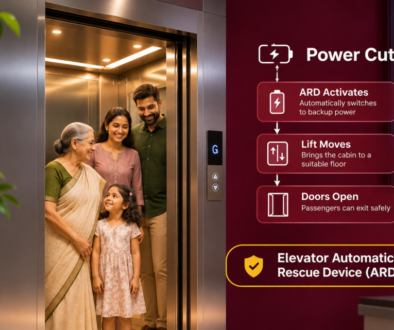
- An automatic rescue device, where applicable
- Door sensors that detect obstructions
- Emergency lighting
- Overload protection
- Reliable door locks
Don’t just tick these off a list. Ask the installation company to walk you through how each one actually works in an emergency.
4. Enough Room Inside
The cabin should suit the people who’ll use it. Someone with a walker, or someone travelling with a helper, needs more space than you might expect. Check the cabin size, passenger capacity, handrails, and lighting. A well-planned interior makes each ride feel relaxed rather than cramped.
5. Good Lighting and Visibility
Dim lighting makes it hard to read buttons or floor indicators, and it can make moving around inside the cabin feel unsafe. Choose a lift with bright interior lighting and clearly visible controls. Non-reflective finishes and good colour contrast also help people with weaker eyesight.
6. A Smooth, Gentle Ride
Jerky starts, sudden stops, and vibration can unsettle anyone, and they’re especially uncomfortable for older passengers. Ask the installation team about levelling accuracy, operating noise, and overall ride quality. When the ride is smooth, elderly users feel far more confident travelling between floors.
7. Think About Tomorrow’s Needs
A home lift for elderly relatives is a long-term investment, so plan for how their needs might change, not just what they need today. Think about cabin size, door width, how reachable the controls are, upkeep, and the chance that someone may need a wheelchair or other mobility aid later. Getting these details right early on can save you from major modifications down the road.
Finding the Right Lift for Your Family
A well-chosen lift makes a home more welcoming and a lot more comfortable for older family members. Easy controls, dependable safety features, a roomy cabin, and a smooth ride all add up to a better everyday experience.
At Axirise Elevators, we help homeowners find lift solutions that fit their building, space, and family needs.
Thinking about a home lift for elderly family members? Contact Axirise Elevators to discuss your requirements and find a safer, more accessible solution for your home.